
By J.E. Nickerson
As an author working from home while caring for several older family members, I’ve learned a lot about protecting myself and those I love from scams and fraud.
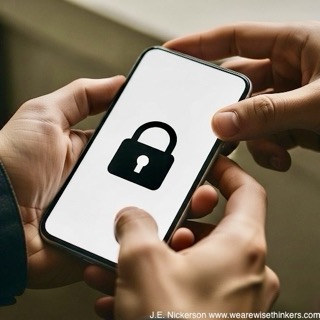
As a millennial with a smartphone and a passion for tech news, I discovered how to lock my apps — including banking apps and digital bank cards — using Face ID. This extra layer of security helps prevent scammers from using card readers to swipe sensitive information as I go about my day. After securing my own devices, I shared these safety tips with my older family members to help them protect their important information too.
⸻
When Scammers Came Knocking
Not too long ago, my neighborhood became a target for a scam involving fake roofing companies. These imposters would knock on doors, claiming they could fix or replace roofs, and ask when the roof was last installed.
Thanks to our security cameras, we spoke with them from inside our home without opening the door. When my mother suggested I research why so many people were knocking with the same story, I found that this was part of a larger scam. Fraudulent roofing companies filed false insurance claims by exaggerating or inventing roof damage.
⸻
The Cost of Fraud
This scam resulted in homeowners’ insurance premiums increasing drastically. Roofing companies sued insurers over these fake claims, sometimes bankrupting insurance providers. Some insurers left entire states, canceling policies and forcing homeowners to pay much higher rates or find more expensive coverage.
⸻
The Reality of Scams Close to Home
Watching the movie Catch Me If You Can, a story about a young man who made a living scamming people for a living, and reading about online and in-person scams, helped me realize how vulnerable even the people we love most can be.
Years ago, my grandmother warned me about online scammers catfishing older adults by pretending to be friends. One of her friends lost thousands of dollars after developing a false online friendship, where the scammer leveraged trust to demand money. Unfortunately, the police were unable to recover the losses.
⸻
Becoming Wise Thinkers in a Risky World
The lessons we learn to protect ourselves and our families can be tough — leaving us worried but wiser. With God’s help, we can guard our loved ones from scams and predators.
Simple actions like monitoring credit card activity, using the latest tech protections, and being cautious about who we trust online and offline can help us avoid becoming victims.
By becoming wise and savvy, we can enjoy life more fully and serve as guides to those around us — helping our communities live safer, more secure lives.
For more articles on your writing and daily life, visit the Wise Thinkers Help Desk
If you’ve enjoyed this article, you’ll love
Thoughts of the Day — short, soul-lifting reflections to carry with you on your daily journey.
📚 And if you’re new here, I’m J.E. Nickerson — faith based author and inspirational storyteller. You can check out my books here or follow me on YouTube for more inspiration and encouragement on this writing life.
Discover more from We Are Wise Thinkers
Subscribe to get the latest posts sent to your email.

